Tests and services
Full-scope eye care, explained.
Every exam here is a full-scope one. These are the tests George uses and what each one is for, so you know what is happening and why.
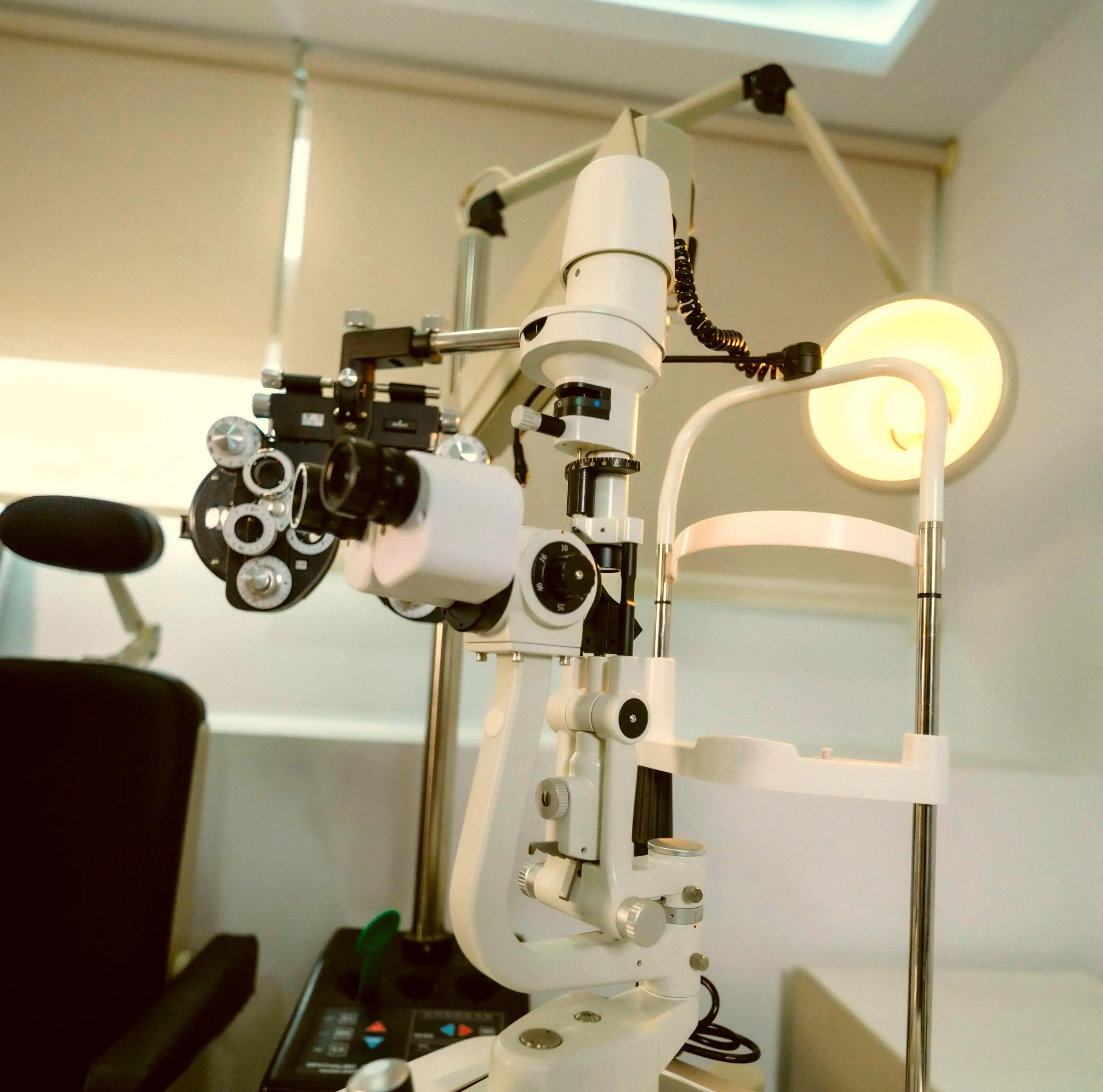
Specialty testing
The imaging and why it matters
Computerised and laser-based tests that see what an examination alone cannot. George uses them where they add something, and explains what they show.
-
OCT scan
Optical coherence tomography
A detailed scan of the retina and the front of the eye, layer by layer. It helps George check for macular degeneration, and it can show early signs of glaucoma before any vision has been lost. George recommends it especially where there is a family history of macular degeneration or glaucoma, or where the comprehensive exam suggests something needs a closer look. Eye surgeons sometimes ask for an OCT before surgery.
-
Visual fields
Perimetry
A test of your side vision and how sensitive it is across your field of view. It is most often used for glaucoma, where it is particularly good at tracking change over time, and it is done alongside OCT. It can also show patterns that point to a problem further along the visual pathway, which is why it is sometimes used for more than the eye itself.
-
Corneal topography
Mapping the front of the eye
A map of the curvature of the cornea, the clear front surface of the eye. It is needed to prescribe some specialty contact lenses, including ortho-k, and it helps diagnose keratoconus and follow whether it is changing, which decides when a referral for treatment is needed.
-
Digital imaging
Retinal and slit-lamp photographs
Photographs of the back of the eye and of the front of the eye, kept on file so George can compare one visit with the next. They are part of checking for diabetic retinopathy, and George often sends them to your GP or endocrinologist so that your diabetes care takes your eyes into account.
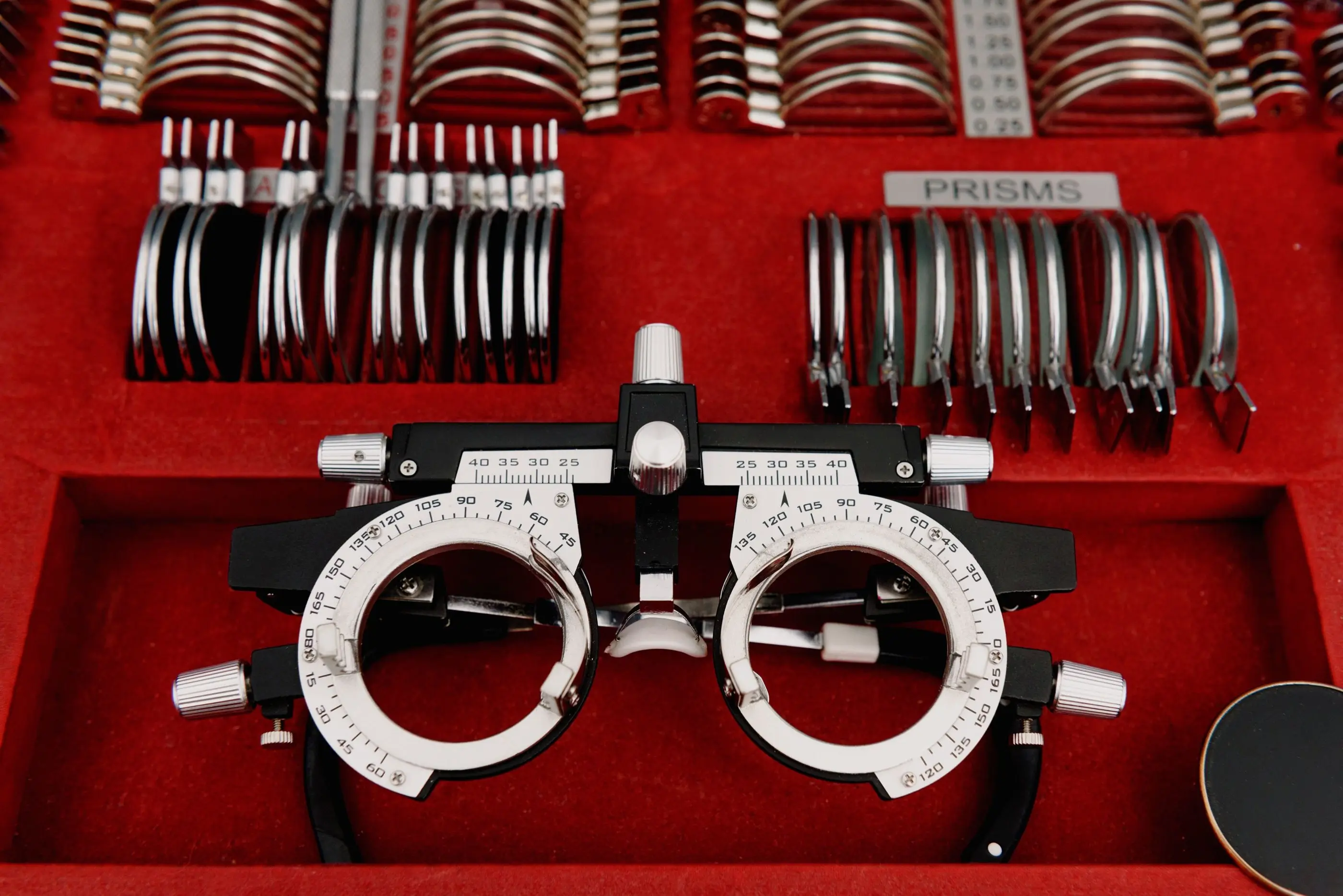
Look properly. Then explain.
Every exam
What George checks and treats
Refraction
Working out the optical error of the eye and the prescription that corrects it, for glasses or contact lenses. Sometimes a clear result is harder to reach because of a cataract, another condition, an injury or the shape of the cornea, and George will explain what that means for you.
Eye health check
An eye exam is more than a prescription. George inspects the retina, the macula and the optic nerve to confirm the eye is healthy. This matters most where there are unusual symptoms or a family history of eye disease, because some conditions have no symptoms until they affect vision. This part of the exam decides whether further testing is needed.
Contact lens fitting
Depending on the lens and the complexity of your prescription, George takes different measurements and may map the cornea. Some lenses can be prescribed from measurements alone; more complex lenses need trial lenses on the eye to reach a final prescription. Lenses range from daily disposables to custom rigid lenses.
Specialty contact lens fitting
For people whose eyes need more than a standard lens: very high prescriptions, high astigmatism, demands that off-the-shelf lenses cannot meet, or eyes affected by disease or surgery. Custom lenses are designed to achieve clear vision where standard lenses cannot.
Diabetic eye screening
Diabetes can damage the eyes, and the damage usually causes no pain and no early change in vision. A yearly check is usual when diabetes is well managed. George widens the pupils for a clear, wide view of the retina and looks for swelling, bleeding and other signs of diabetic retinopathy, so that it is found before it affects sight.
Glaucoma testing
Glaucoma rarely has symptoms early on, and testing can pick it up before you notice any change. George examines the optic nerve and tests how sensitive your vision is, with OCT and visual fields where needed. Risk rises with age, but glaucoma can occur at any age. A family history, the shape of the optic nerve, some medicines and an old eye injury all raise the risk. Without any of those, George suggests a glaucoma check from around 40, then at regular intervals.
Macular degeneration testing
Macular degeneration is mostly a condition of later life, with many factors behind it. Finding early changes matters, because there is more that can be done about some risks when they are picked up early. George checks the macula at every exam and uses OCT where it adds information.
Medicare
Bulk billed for eligible Medicare card holders. Medicare generally covers a comprehensive eye test every three years if you are under 65 and every 12 months from age 65. Other Medicare-covered visits may be available when clinically necessary and the MBS requirements are met. We can check this for you when you book.
Health funds
Claim on the spot through HICAPS with most health funds. Funds pay differently, and your own policy decides what you get back.
Book your eye exam.
With George, with time to explain. Bulk billed for eligible Medicare card holders.